
World
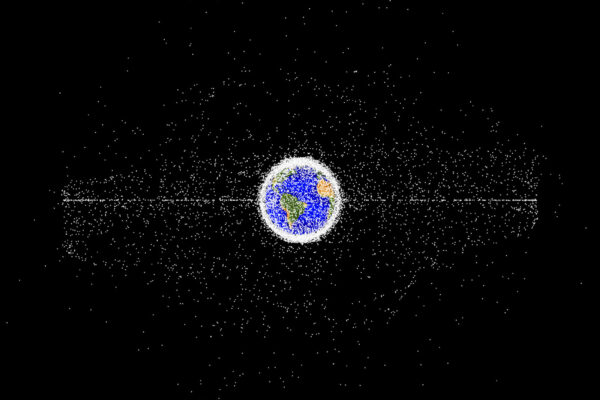
Earth’s Congested Orbit: Policy Stagnation Behind the Proliferation of Space Debris
Swaths of human trash fill an estimated 500,000 landfills and inundate waterways worldwide. Yet human pollution extends even beyond the frontiers traversed by man.
Today, man-made litter has transcended the confines of our planet and gone into orbit, creating a unique debris problem that threatens missions beyond Earth’s atmosphere.
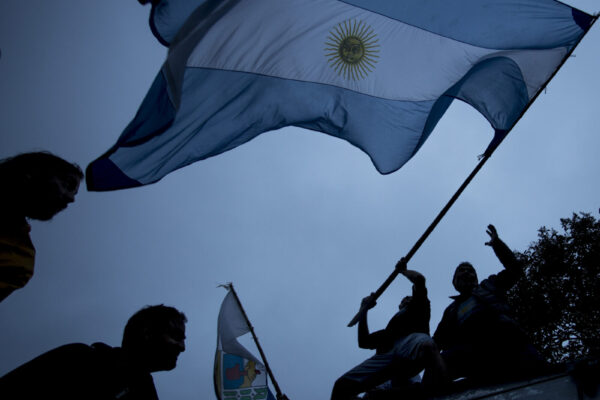
La Grieta and Milei
Luciana Abecasis, an Argentine mother of two children, lives in the small city of Reconquista. For her, Javier Milei’s presidency reflects a shift from what she calls an “artificial economy,” an economy with heavy government intervention, to what she sees as a more honest one—a capitalist economy. Among Argentines, many share this perception.
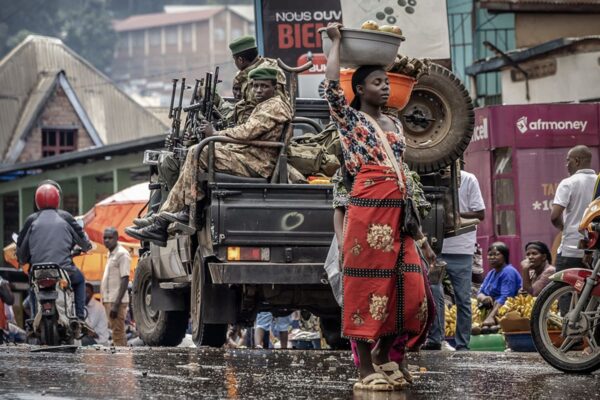
When Rebels Govern: The Case for M23’s Statebuilding Project
You can blame King Leopold or Belgium or Capitalism or whatever satisfies your conscience: the Democratic Republic of the Congo (DRC) cannot operate as a cohesive political unit. For three decades, armed rebellion has been a way of life in the Congo’s eastern provinces, with state control barely extending beyond the capital Kinshasa. Since 2021, the Rwandan-backed rebel group M23 has captured vast swathes of territory, including the two largest cities in the east, Goma and Bukavu. Western journalists, such as former Reuters correspondent Michela Wrong, have criticized the rebellion’s foreign backing as a breach of Congo’s sovereignty, framing the group as the primary driver of instability. This thinking feeds into the same cycle of delusion that has produced one failed peace treaty after another. Attempting to tie the Congo back together from the capital is not the solution: it is time to rethink political construction in the region.
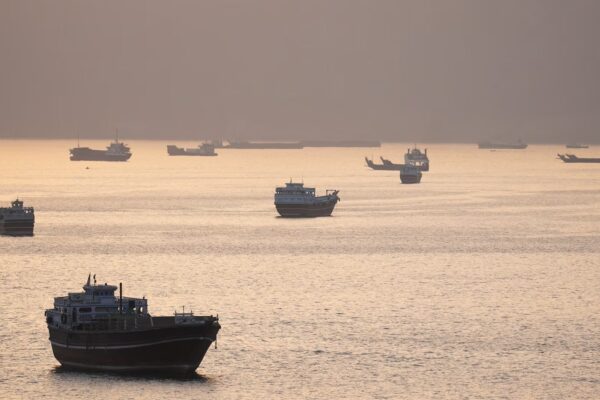
The Waterway Holding the World Hostage
“In general, I’m against war—I’m just against death,” Cyrus Pahlavi told The Politic.
As the grandson of Ashraf Pahlavi, the sister of Iran’s last Shah, who ruled from 1941 to 1979, Pahlavi is no stranger to the turbulence of Iran’s current climate. He spoke of recent protests, widespread blackouts, and the steadily degrading sense of despair among Iranian civilians.
Yet despite this unrest, Pahlavi remained hopeful for a new era in Iran. That future, he argues, will depend on one channel: the Strait of Hormuz. The waterway is a powerful weapon of the Regime—critical for oil trade connecting the Persian Gulf and the Arabian Sea.
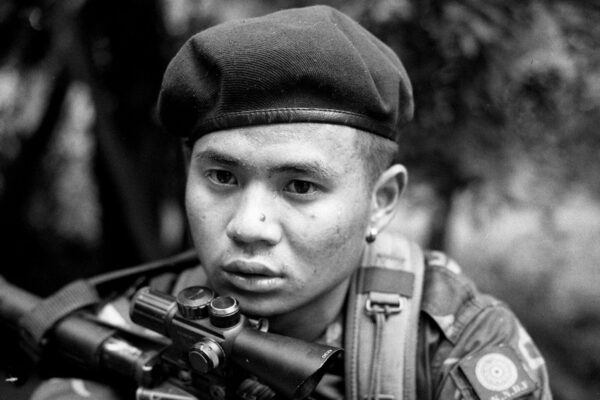
“They Control the Sky”: The Burmese Junta’s War Against the State
Stirrings begin before dawn. Rice is eaten by the fire while it is still dark. People move quietly, carrying only what they can, riding on horseback or on four-wheel drive trucks when danger requires it. There is a short pause around midday for some packed rice by a stream, then they continue on. Camps are temporary, fires a luxury for when the Burma Army is far enough away. No one stays anywhere long enough to feel secure.
When Oil Became Political in Venezuela
“I never worked in the oil industry, but oil decided I had to leave.”
Eddy, who asked to only be identified by his first name, once worked as a swimming coach in Venezuela and now lives in the Dominican Republic. He didn’t leave out of choice, but out of necessity.
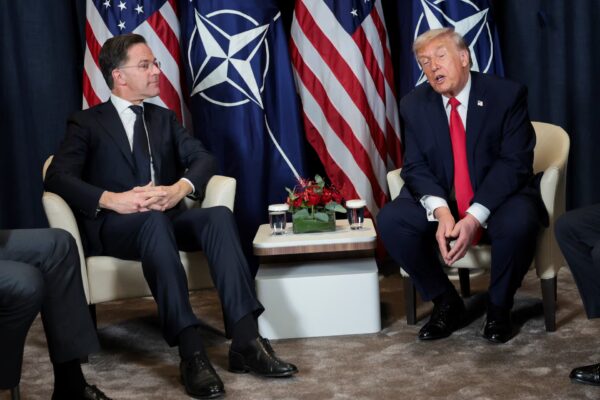
The Decline of Trans-Atlantic Defense: Europe’s Reckoning with the Trump Administration
As American security guarantees appear less certain, Europe is forced to confront the consequences of decades of military dependence amid Russia’s ongoing war in Ukraine. Internal divisions, cautious economic policy, and slow defence reform raise a deeper question: can Europe credibly deter aggression without the backbone of the trans-Atlantic alliance?
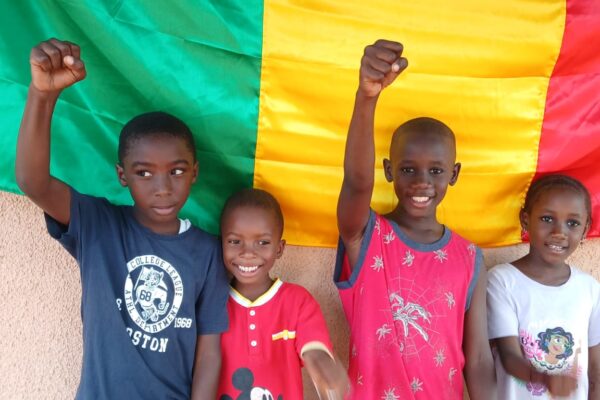
Bamako Blockaded: The Battle for Mali’s Future
At 8:30 a.m. one mid-October morning, Oumar Konipo arrived at a gas station in Bamako, Mali. For the 73-year-old retired United States Embassy worker, who has lived in the city since 1968, this was a familiar errand. Konipo waited until 2:30 p.m. to finally fill his tank.