
Between Two Lists: Who Gets Counted After Disaster?
Winning Submission
of the 2026 High School Essay Competition
Winning Submission
of the 2026 High School Essay Competition
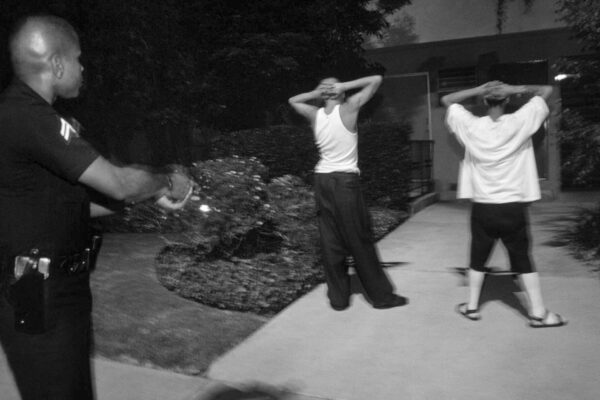
When Orbelina fled El Salvador’s civil war for Los Angeles in 1985, she believed she was escaping violence. Instead, across generations of her family, she witnessed the same patterns of disappearance, gang violence, and impunity reemerge as MS-13 grew from a neighbourhood gang into a transnational symbol of violence and belonging.
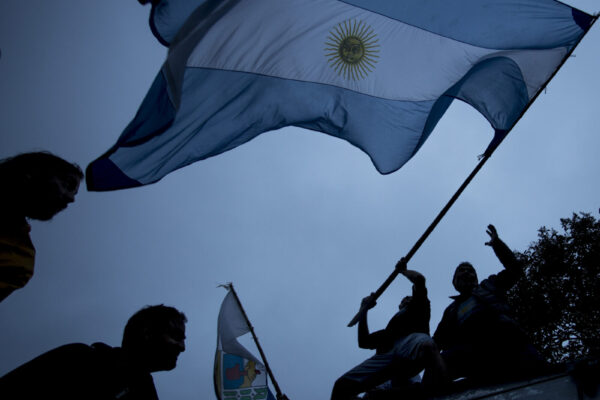
Luciana Abecasis, an Argentine mother of two children, lives in the small city of Reconquista. For her, Javier Milei’s presidency reflects a shift from what she calls an “artificial economy,” an economy with heavy government intervention, to what she sees as a more honest one—a capitalist economy. Among Argentines, many share this perception.
“I never worked in the oil industry, but oil decided I had to leave.”
Eddy, who asked to only be identified by his first name, once worked as a swimming coach in Venezuela and now lives in the Dominican Republic. He didn’t leave out of choice, but out of necessity.
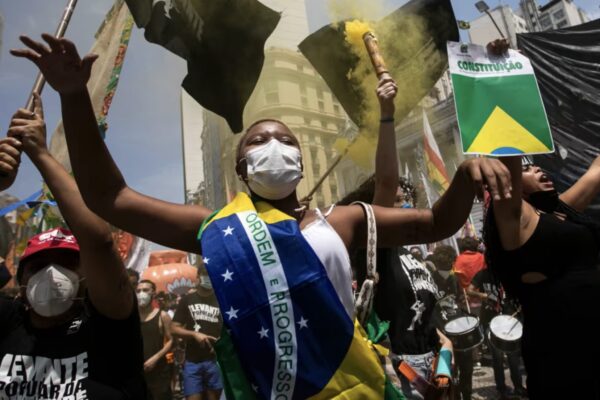
On August 1st, 2025, Alexandre de Moraes, Vice President of the Brazilian Supreme Court, awoke to find his visa revoked, his assets frozen, and his family and holding company targeted by similar sanctions.
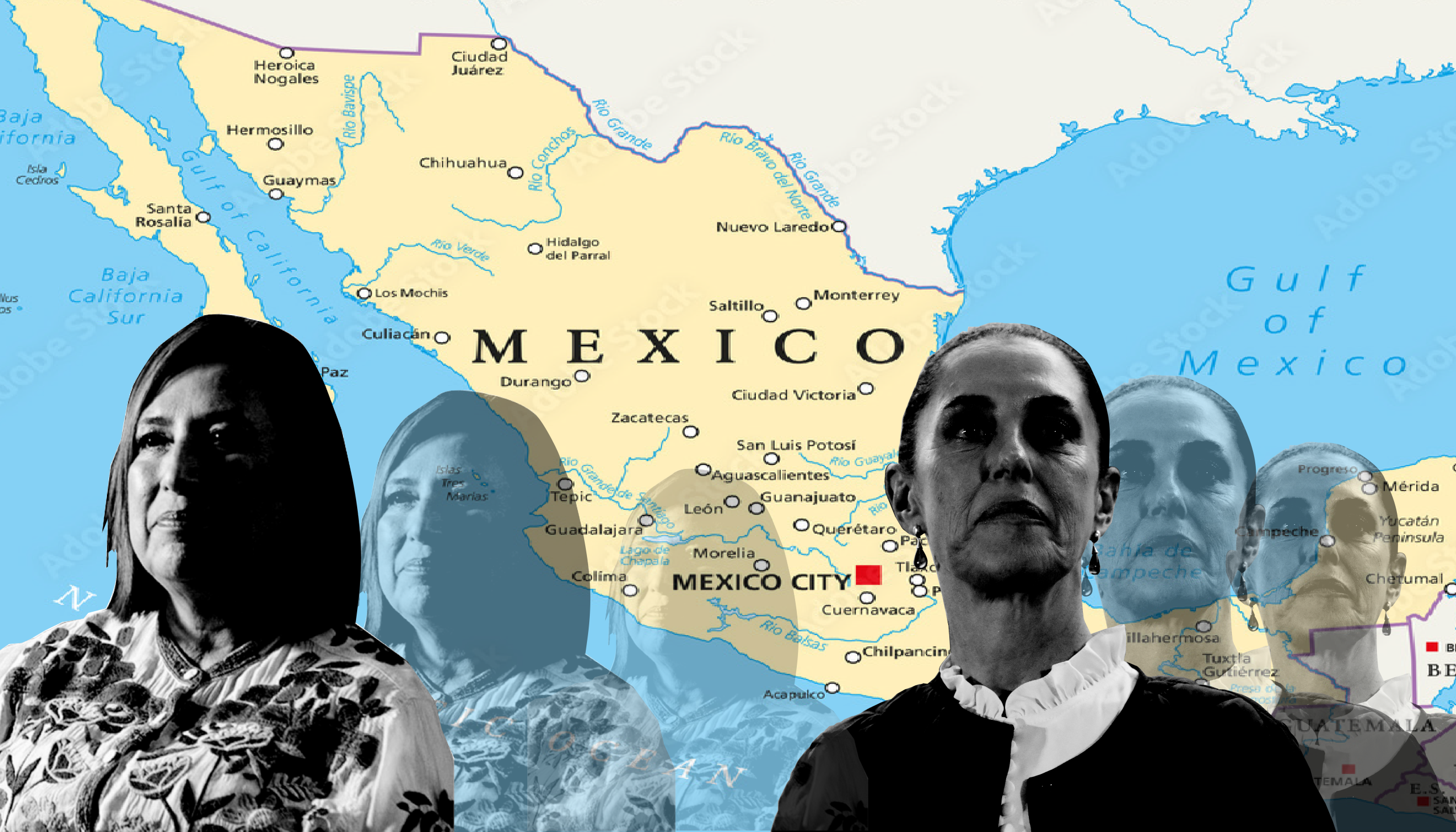
Classrooms are now tense encampments for student protestors at Universidad Nacional Autónoma de México (UNAM), one of the most prestigious universities in Mexico. Marisa Belausteguigoitia, a full-time lecturer at UNAM whose research focuses on collective young feminist protestors, shared that…
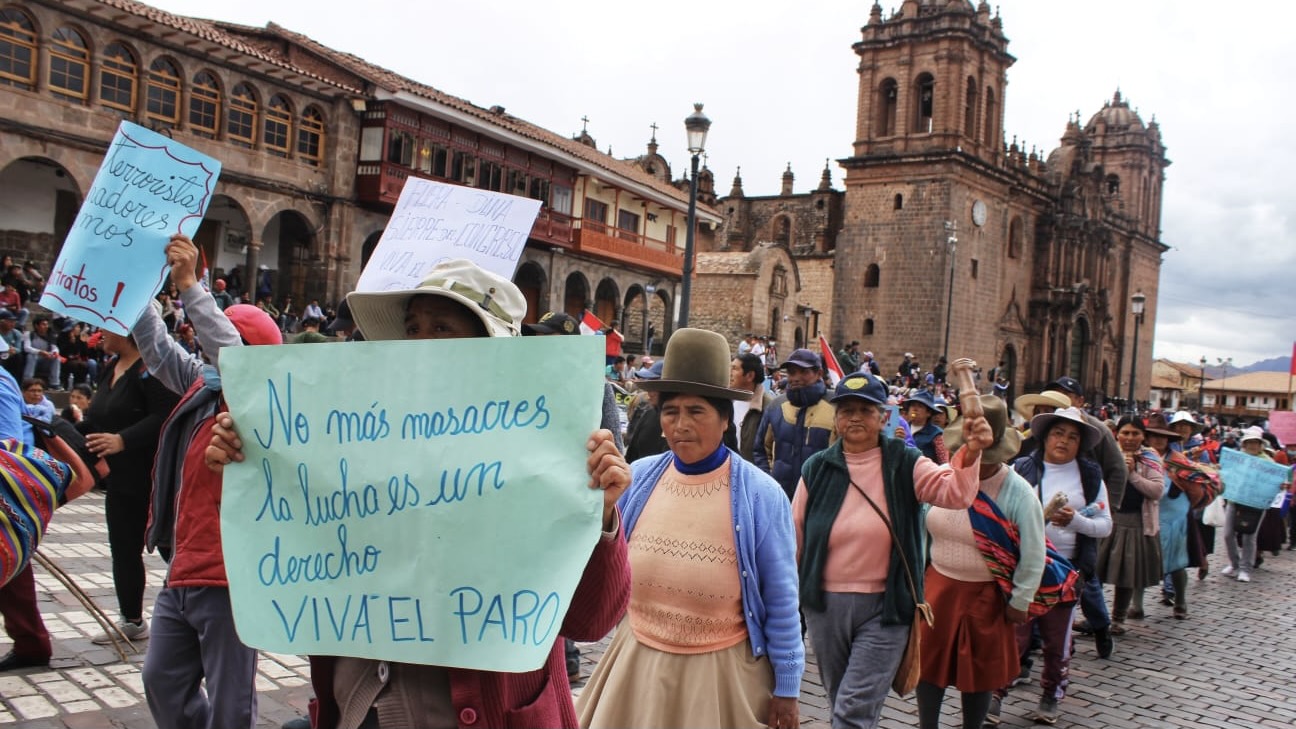
“We have been getting killed from the very beginning,” Clara Mongé said, reflecting on contemporary Peru from her home in Delray Beach, FL. She left her native country decades ago, but her walls still display a colorful blend of Spanish…
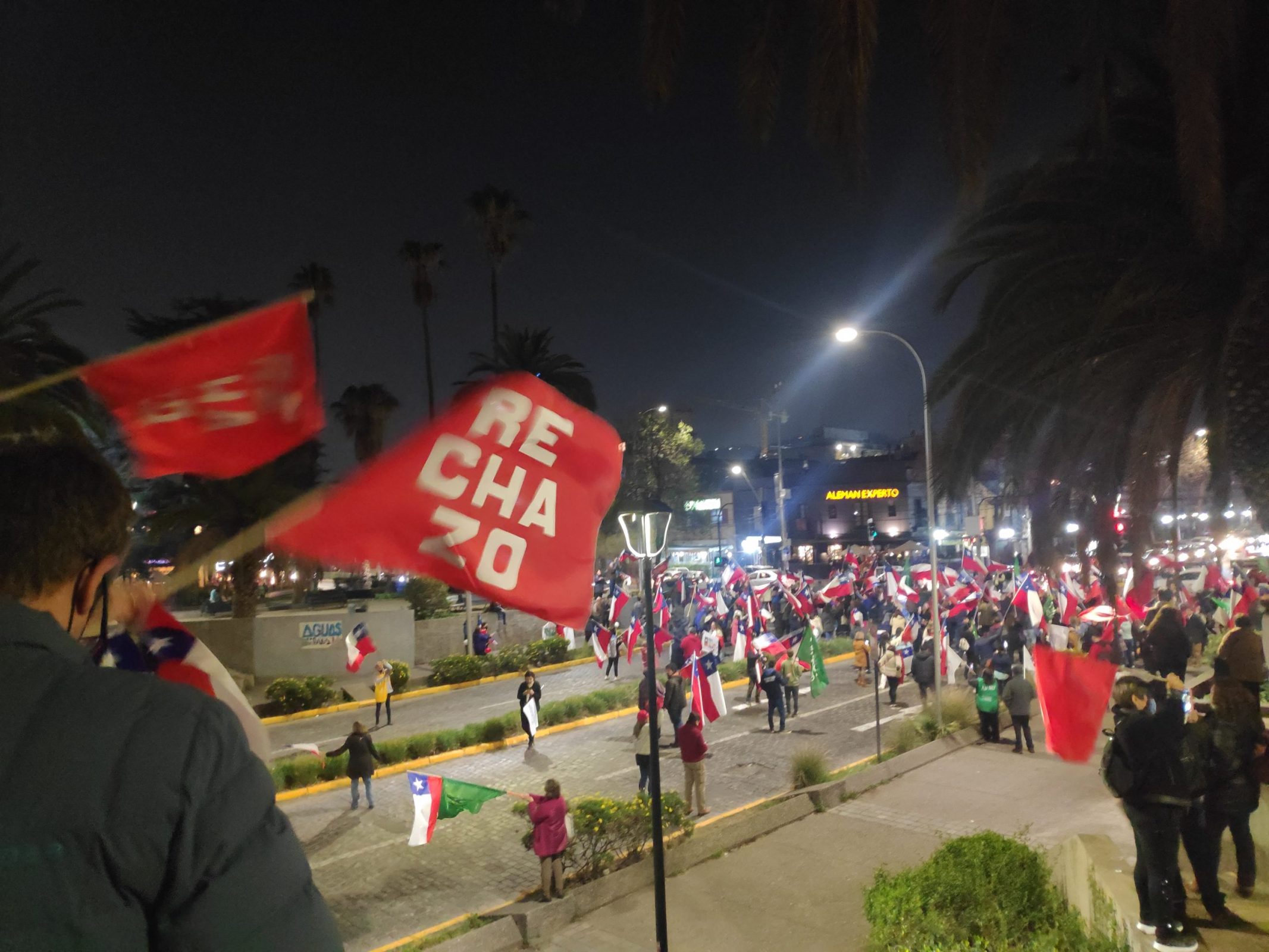
Last month, Chile resoundingly voted down a constitution that would have protected a multitude of civil rights. What went wrong?