Between Settlement and Emergency: The Post-2022 Ukrainian Diaspora
The interaction of the Ukrainian diaspora, the Church, and the Russian-Ukrainian War.
A user types a single word: “Undress.” Within seconds, Grok, the artificial intelligence tool built by Elon Musk’s xAI and hosted on X, generates a sexualized image of a real woman. She consents to nothing. She does not even know it is happening. The image spreads.

On December 10th, 2025, Australia became the first country to implement a nationwide social media ban. At midnight, the Social Media Minimum Age Act came into effect, deactivating millions of accounts belonging to anyone under the age of 16. Zoe, a teenager from Brisbane, described the chaos that ensued the day the ban was passed: “We’d all heard about it, but nobody thought it was going to happen,” she said. “Everyone was shocked.”
Swaths of human trash fill an estimated 500,000 landfills and inundate waterways worldwide. Yet human pollution extends even beyond the frontiers traversed by man.
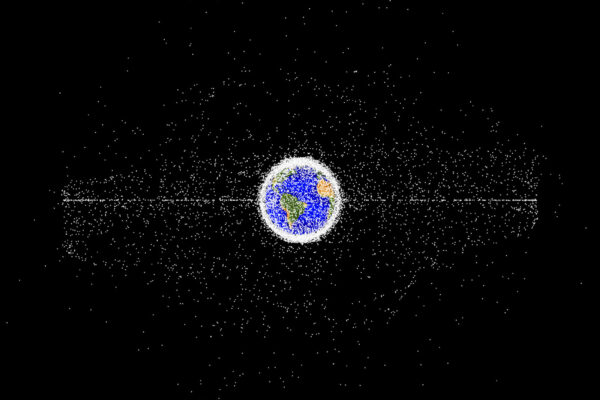
Today, man-made litter has transcended the confines of our planet and gone into orbit, creating a unique debris problem that threatens missions beyond Earth’s atmosphere.
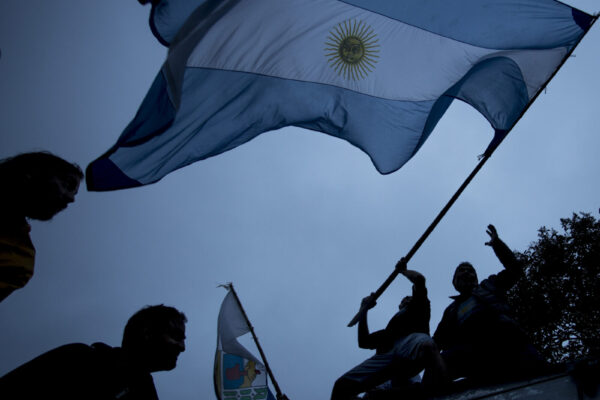
Luciana Abecasis, an Argentine mother of two children, lives in the small city of Reconquista. For her, Javier Milei’s presidency reflects a shift from what she calls an “artificial economy,” an economy with heavy government intervention, to what she sees as a more honest one—a capitalist economy. Among Argentines, many share this perception.
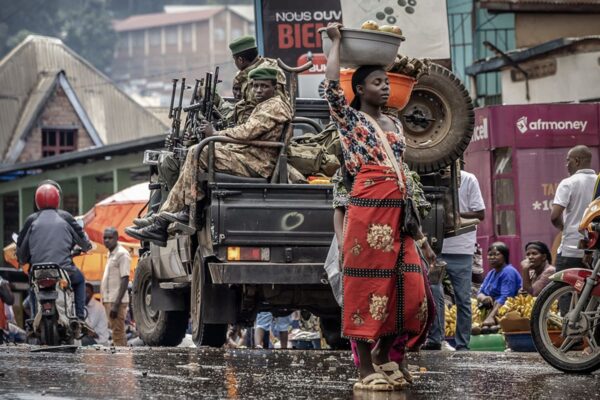
You can blame King Leopold or Belgium or Capitalism or whatever satisfies your conscience: the Democratic Republic of the Congo (DRC) cannot operate as a cohesive political unit. For three decades, armed rebellion has been a way of life in the Congo’s eastern provinces, with state control barely extending beyond the capital Kinshasa. Since 2021, the Rwandan-backed rebel group M23 has captured vast swathes of territory, including the two largest cities in the east, Goma and Bukavu. Western journalists, such as former Reuters correspondent Michela Wrong, have criticized the rebellion’s foreign backing as a breach of Congo’s sovereignty, framing the group as the primary driver of instability. This thinking feeds into the same cycle of delusion that has produced one failed peace treaty after another. Attempting to tie the Congo back together from the capital is not the solution: it is time to rethink political construction in the region.
“In general, I’m against war—I’m just against death,” Cyrus Pahlavi told The Politic.
As the grandson of Ashraf Pahlavi, the sister of Iran’s last Shah, who ruled from 1941 to 1979, Pahlavi is no stranger to the turbulence of Iran’s current climate. He spoke of recent protests, widespread blackouts, and the steadily degrading sense of despair among Iranian civilians.
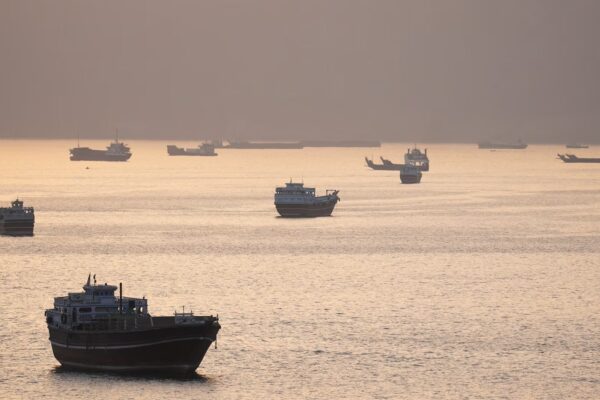
Yet despite this unrest, Pahlavi remained hopeful for a new era in Iran. That future, he argues, will depend on one channel: the Strait of Hormuz. The waterway is a powerful weapon of the Regime—critical for oil trade connecting the Persian Gulf and the Arabian Sea.